By Atlantic Health Partners
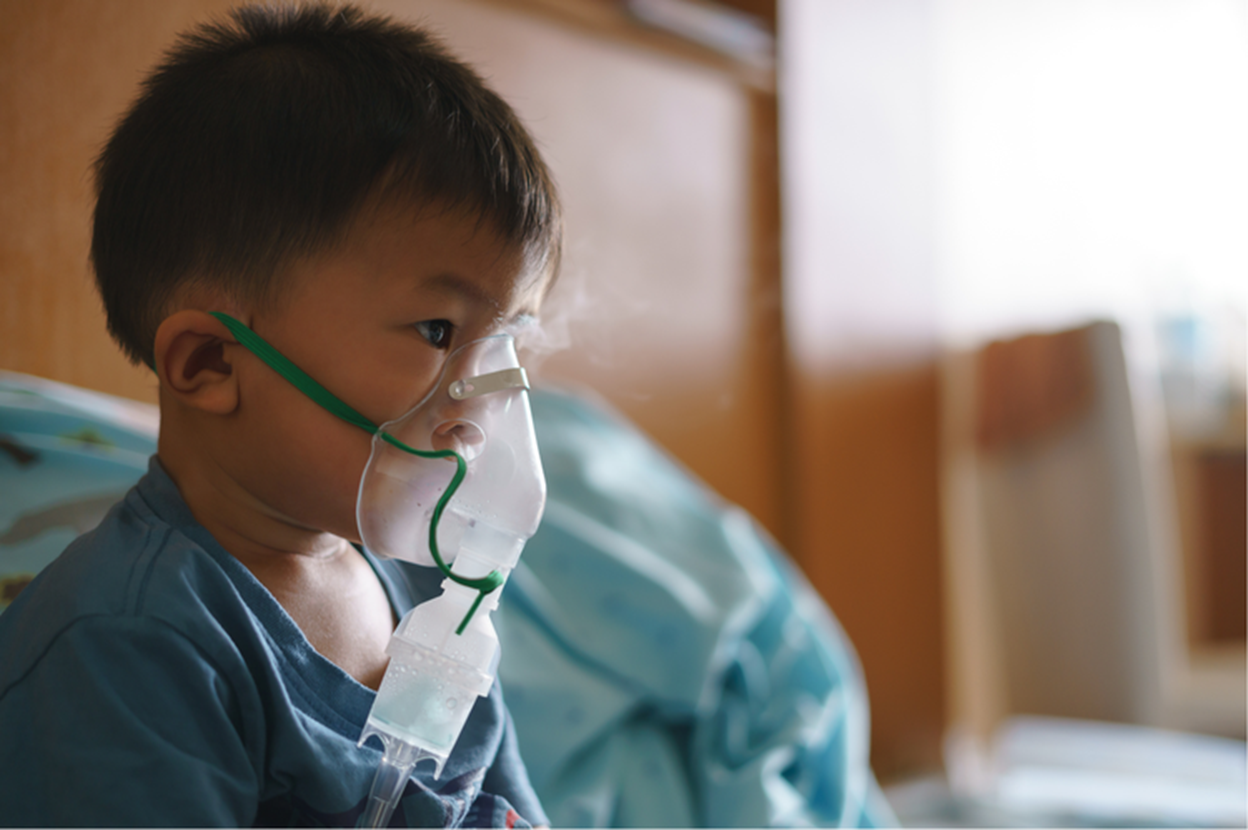
Respiratory syncytial virus (RSV) is a virus that
infects nearly all Americans by the age of 2. Though the severity of an RSV infection can vary by age group, it’s the leading
cause of hospitalizations for infants.
Seasonal patterns for RSV have historically been consistent, but the COVID-19 pandemic
disrupted the circulation of RSV, significantly increasing the prevalence and severity of recent infections. To reduce the
burden of RSV-related medical visits and hospitalizations and to protect our nation’s most vulnerable populations, researchers are prioritizing rapid advancement of preventive therapies.
While there is no specific treatment for RSV at this time, leading vaccine manufacturers have made
significant progress in the development of antivirals and vaccines to help providers across the country combat the growing threat of RSV.
RSV and its symptoms
RSV is a highly
contagious virus that can lead to serious respiratory illness, especially in infants. In a typical
year, RSV leads to 2 million outpatient visits, 120,000 hospitalizations, and several thousand deaths, but the most recent virus seasons have been anything but normal. Like most respiratory viruses, RSV
spreads when droplets from a cough, sneeze or infected surface get into the mouth, nose or eyes. Initial RSV symptoms
mimic those of a cold or the flu but worsen as the infection gets more severe. In
infants less than 6 months old, the only symptoms of RSV may be irritability, decreased activity, decreased appetite and difficulty breathing. Early symptoms of RSV in
children and
older adults include runny nose, decrease in appetite, and cough, which may progress to wheezing or difficulty breathing a few days into the illness.
High-risk populations for severe RSV
According to the
CDC, most patients infected with a mild case of RSV recover in a week or two, but certain populations are more likely to develop a severe RSV infection, which can lead to hospitalization or intensive care. Each year, approximately 58,000 to 80,000
children younger than 5 are hospitalized for RSV. A severe RSV infection can lead to serious conditions like bronchiolitis and pneumonia. Those at greatest risk include premature infants, infants younger than 6 months, children younger than 2 with chronic lung disease or congenital heart disease, children with weakened immune systems and children who have neuromuscular disorders.
While RSV infections are most common among young children, adults over 65 are also considered high risk. Each year, approximately 60,000 to 160,000
older adults are hospitalized and 6,000 to 10,000 die from an RSV-related illness.
A rare RSV surge
During the peak of the COVID-19 pandemic, people were quarantining and masking and as a
result, cases of respiratory infections like flu and RSV remained low. In contrast, the 2022-2023 virus season saw RSV cases start in the spring, much earlier than normal, and a 60%
increase in infection rates from 2021. This unprecedented surge threatens an
onset of a “tripledemic”— a combination of flu, RSV and COVID-19.
Protection on the horizon
Despite these growing risks, there is good news. In January, the U.S. Food and Drug Administration (FDA)
accepted nirsevimab antibody application as the first protective option against RSV disease for all infants. Additionally, we can
expect FDA approval for the first RSV vaccine as early as this summer. Once RSV therapies are approved, Atlantic Health Partners is committed to making these vaccinations available to our members to help support
equitable access and ensure all high-risk populations are protected against this contagious and dangerous virus.
ISMA members receive that most favorable vaccine pricing
ISMA members receive the most favorable pricing and terms from Atlantic Health Partners, the nation’s largest vaccine buying group. Atlantic's program includes discounts and support on vaccines from all manufacturers, including Sanofi, Merck, GSK, Pfizer, Seqirus and AstraZeneca. To learn more, email Cindy or Jeff at info@atlantichealthpartners.com; or call 800-741-2044.